

laminated mesh glass
The Storaen Slow Closing Check Valve represents a significant advancement in hydraulic system efficiency, offering a blend of innovation and reliability. Designed to address common challenges in fluid dynamics, this product is engineered to enhance performance, reduce wear, and extend operational lifespan. This article delves into the core features, advantages, technical specifications, and application scenarios of the Storaen Slow Closing Check Valve, while also exploring the company's background and the importance of industry standards in ensuring quality and safety. Product Features The Storaen Slow Closing Check Valve is distinguished by its novel structure , which optimizes fluid flow and minimizes turbulence. This design ensures a good sealing effect , preventing leaks and maintaining system integrity. The valve's low resistance and large flow capacity allow for efficient operation even under high-pressure conditions. Additionally, its long service life reduces maintenance costs and downtime, making it a cost-effective solution for industrial applications. One of the standout features is the adjustable speed control , which enables users to fine-tune the valve's opening and closing speed to match specific site requirements. This adaptability ensures optimal performance in diverse environments, from municipal water systems to industrial pipelines. The valve also incorporates a water hammer mitigation system , which minimizes the impact of sudden pressure surges, thereby protecting downstream equipment and infrastructure. Advantages of the Storaen Slow Closing Check Valve The Storaen Slow Closing Check Valve offers several advantages that make it a preferred choice for engineers and system designers. Its low resistance ensures minimal energy loss, which translates to reduced operational costs. The large flow capacity allows for higher throughput, improving overall system efficiency. Additionally, the long service life reduces the frequency of replacements, further lowering maintenance expenses. The adjustable speed control feature is particularly beneficial in applications where precise flow regulation is critical. By allowing users to customize the valve's response time, the Storaen model ensures that systems operate at peak efficiency without compromising safety. The water hammer mitigation system also plays a crucial role in extending the lifespan of connected equipment by preventing damage caused by pressure fluctuations. Another key advantage is the good sealing effect , which minimizes the risk of leaks and ensures consistent performance. This is especially important in industries where even minor leaks can lead to significant safety hazards or environmental concerns. The valve's robust construction and high-quality materials further contribute to its durability, making it suitable for both harsh and demanding environments. Technical Specifications Parameter Details Model 300X Slow-Closing Muffler Check Valve Flow Rate Up to 1,200 GPM (depending on size) Pressure Range 0–150 psi Material Stainless Steel and Brass Sealing Mechanism Double-Acting Piston with EPDM Gaskets Adjustable Speed Control Yes (Manual and Automatic Options) Water Hammer Mitigation Integrated Hydraulic Damping System Service Life Up to 10 years with minimal maintenance The Storaen Slow Closing Check Valve is designed to meet the rigorous demands of modern industrial applications. The technical specifications highlight its versatility and reliability, making it suitable for a wide range of systems. The pressure range of 0–150 psi ensures compatibility with both low- and high-pressure environments, while the flow rate of up to 1,200 GPM (gallons per minute) supports high-volume operations. The use of stainless steel and brass materials enhances corrosion resistance, ensuring long-term performance in challenging conditions. Application Scenarios The Storaen Slow Closing Check Valve is ideal for a variety of applications where precise flow control and system protection are essential. In municipal water systems , it helps regulate water pressure and prevent damage from sudden flow changes. In industrial pipelines , the valve ensures smooth operation by minimizing turbulence and reducing the risk of equipment failure. The valve is also widely used in commercial HVAC systems , where it maintains consistent cooling and heating performance. Its adjustable speed control allows for fine-tuned regulation of fluid flow, ensuring optimal efficiency. In oil and gas industries , the valve's durability and resistance to high pressures make it a reliable choice for critical applications. Additionally, the water hammer mitigation system makes the Storaen valve a preferred solution for pump stations and water treatment plants , where sudden pressure surges can cause significant damage. Its ability to adapt to varying site conditions ensures that it remains effective across a broad spectrum of applications. Company Background: Storaen (Cangzhou) International Trading Co. Storaen (Cangzhou) International Trading Co. is a reputable manufacturer and supplier of industrial machinery and components, with a focus on innovation and quality. The company has established itself as a trusted partner in the global market, providing solutions that meet the evolving needs of industries worldwide. With a commitment to hydraulic check valve types and hydraulic check valve types , Storaen ensures that its products adhere to the highest standards of performance and reliability. Storaen's expertise in check valve types and applications is reflected in its product line, which includes the Storaen Slow Closing Check Valve . The company's dedication to research and development has enabled it to create solutions that address real-world challenges, such as water hammer and system inefficiencies. By combining cutting-edge technology with practical engineering, Storaen continues to set benchmarks in the industry. As a leader in the field, Storaen (Cangzhou) International Trading Co. prioritizes customer satisfaction and long-term partnerships. Its products are designed to deliver value, ensuring that clients achieve optimal performance and cost savings. The company's commitment to quality is further reinforced by its adherence to international standards and certifications, which guarantee the reliability and safety of its offerings. Conclusion The Storaen Slow Closing Check Valve is a testament to the power of innovation in fluid control systems. With its novel structure , low resistance , and water hammer mitigation system , this product addresses critical challenges in hydraulic engineering. Its adjustable speed control and long service life make it a versatile and durable solution for a wide range of applications. As industries continue to demand more efficient and reliable systems, the Storaen Slow Closing Check Valve stands out as a leading choice. Its technical specifications, combined with the expertise of Storaen (Cangzhou) International Trading Co., ensure that it meets the highest standards of performance and safety. Whether in municipal water systems, industrial pipelines, or commercial HVAC applications, this valve delivers exceptional value and results. References According to the National Institute of Standards and Technology (NIST) , "Standards and measurements are critical for ensuring the accuracy and reliability of industrial systems. The development of precise measurement techniques and standardized testing procedures plays a vital role in advancing technology and improving safety." This underscores the importance of adhering to industry standards when designing and implementing hydraulic components like the Storaen Slow Closing Check Valve . NIST's work in fluid dynamics and measurement science has contributed to the development of methodologies that enhance the performance of hydraulic systems. By referencing NIST's research, engineers can ensure that their designs meet the highest levels of precision and efficiency. For further information on NIST's role in standardization, visit https://www.nist.gov/ .
about
laminated mesh glass
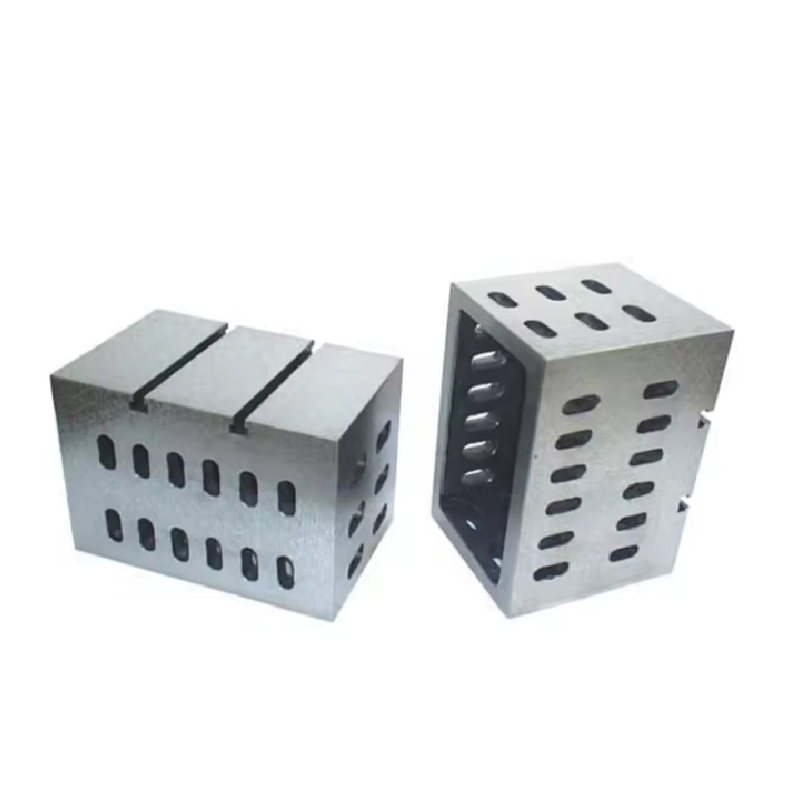
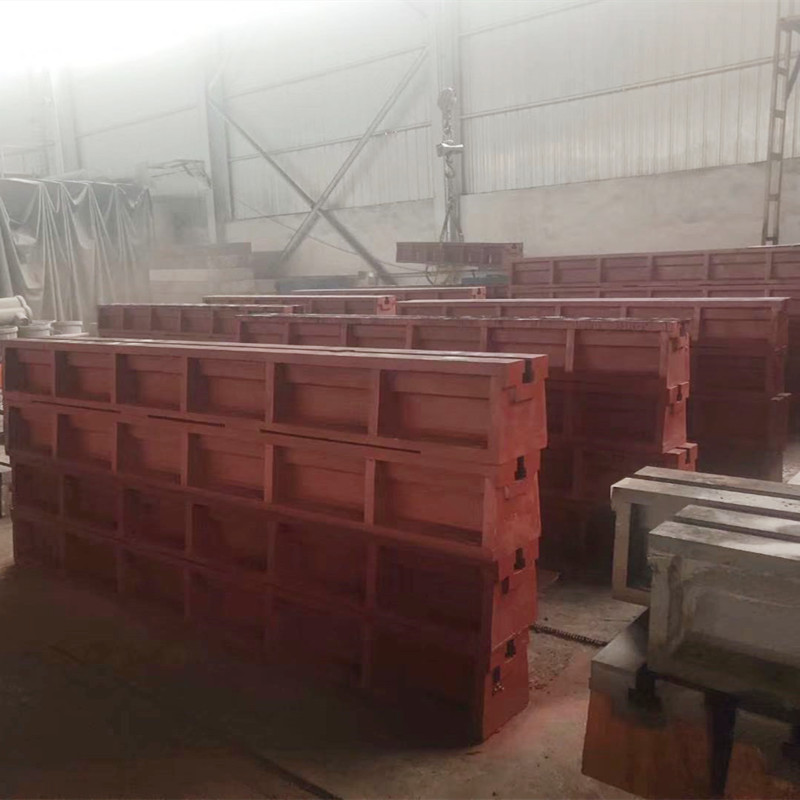
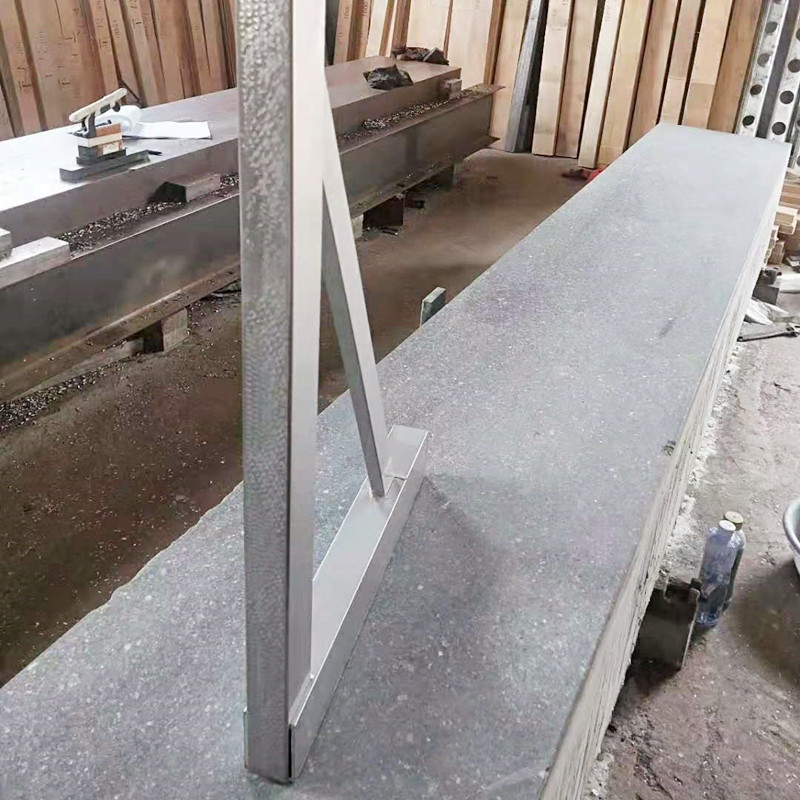
Industry Trends in Precision Metrology The landscape of precision metrology is undergoing significant evolution, driven by increasing demands for higher accuracy, greater efficiency, and robust material performance. At the heart of this domain, the surface plate remains an indispensable tool. Recent trends indicate a move towards integrating digital technologies with traditional measurement methods, enhancing data acquisition, and improving calibration processes. The global market for metrology equipment is projected to grow from USD 9.5 billion in 2023 to USD 14.2 billion by 2028, at a CAGR of 8.3%. This growth is primarily fueled by sectors such as automotive, aerospace, defense, and machinery manufacturing, all of which rely heavily on foundational precision tools like the surface plate . Manufacturers are increasingly seeking solutions that offer superior flatness, thermal stability, and long-term dimensional accuracy. Furthermore, there is a growing demand for larger, more robust iron surface plate solutions to accommodate increasingly substantial components in heavy industries. Sustainability and material science advancements are also shaping the industry. While granite surface plate options are prevalent, the enduring strength and machinability of cast iron continue to make it a preferred material for specific applications, particularly where vibration damping and rigidity are critical. The focus on reducing manufacturing tolerances across industries necessitates metrology equipment capable of supporting nanometer-level precision, pushing the boundaries of traditional measurement platforms. Manufacturing Process Flow of a Precision Surface Plate The production of a high-precision cast surface plate is an intricate process demanding meticulous attention to detail and adherence to stringent quality controls. It primarily involves material selection, casting, machining, and extensive calibration, ensuring the final product meets or exceeds international standards. 1. Material Selection & Foundry Preparation High-grade grey cast iron (e.g., GG25 or Meehanite cast iron) is selected for its excellent vibration damping, stability, and wear resistance. Molds are prepared based on precise engineering designs. 2. Casting & Stress Relieving Molten iron is poured into molds. After cooling, castings undergo multiple stages of thermal stress relieving (annealing) at controlled temperatures (e.g., 500-550°C) for extended periods to eliminate internal stresses and prevent distortion over time. This is critical for the long-term dimensional stability of the cast iron surface plate . 3. Rough Machining The raw casting undergoes initial planing or milling to remove excess material and achieve approximate dimensions. This also helps in further stress relief. 4. Intermediate Stress Relieving Another round of heat treatment stabilizes the material after rough machining, ensuring maximum stability before final precision work. 5. Precision Machining & Hand Scraping The most critical phase involves precision grinding or planing to achieve a near-final flat surface. This is followed by traditional hand scraping by skilled technicians to achieve the required flatness tolerance. This labor-intensive process ensures extreme precision and a uniform bearing surface, which is paramount for a quality surface plate . 6. Final Inspection & Calibration Each surface plate undergoes rigorous testing against international standards like ISO 8512-2, DIN 876, or ANSI B89.3.7. Interferometers, autocollimators, and electronic levels are used to verify flatness, parallelism, and perpendicularity. Certification is provided upon successful completion. This meticulous process ensures that our surface plate products deliver exceptional performance and longevity, typically yielding a service life exceeding 20 years with proper maintenance. Target industries include precision manufacturing, aerospace, automotive, shipbuilding, and research and development facilities. Technical Specifications and Precision Grades Precision surface plate s are categorized by their accuracy grade, material, and dimensions. These specifications are crucial for engineers selecting the appropriate measuring platform for their applications. Below is a detailed table outlining typical parameters for high-grade cast iron surface plate s. Standard Cast Iron Surface Plate Specifications Parameter Description / Value Material High-grade Grey Cast Iron (GG25 / HT250), stress-relieved Hardness HB170-240 Accuracy Grades (DIN 876) Grade 0, Grade 1, Grade 2, Grade 3 (or equivalent ISO 8512-2) Typical Flatness Tolerance (Grade 0) 0.0025 mm for 1000x1000 mm plate Typical Flatness Tolerance (Grade 1) 0.005 mm for 1000x1000 mm plate Dimensional Stability Excellent, due to multiple stress-relieving cycles Surface Finish Hand-scraped or precision ground Applications Precision inspection, layout, calibration, machine assembly Standard Sizes (mm) From 300x300 up to 4000x8000 (larger custom sizes available) Understanding these technical parameters is vital for ensuring the chosen surface plate meets the rigorous demands of modern manufacturing and metrology tasks. Our products are consistently tested to meet ISO 8512-2:2018 standards for cast iron surface plates. Application Scenarios and Technical Advantages The versatility and precision of a well-engineered surface plate make it indispensable across a multitude of industrial applications. Its primary function is to provide a reliable, flat reference plane for inspection, marking out, and the assembly of precision components. Typical Application Scenarios: Precision Inspection: Used as a datum surface for height gauges, dial indicators, and CMMs to measure geometric features like flatness, parallelism, and perpendicularity of manufactured parts. Tool and Die Making: Essential for laying out intricate designs and verifying the accuracy of tooling components. Machine Building and Assembly: Provides a stable, flat base for the precision assembly of engines, turbines, and complex machinery, ensuring alignment and reducing cumulative errors. Calibration Laboratories: Serves as the primary reference standard for calibrating other measuring instruments and gauges. Research and Development: Offers a highly stable platform for experimental setups requiring absolute flatness and vibration dampening. Key Technical Advantages of Our Cast Iron Surface Plates: Exceptional Dimensional Stability: Through advanced stress-relieving processes, our cast iron surface plate maintains its flatness over decades, critical for consistent measurement accuracy. This directly translates to energy saving by reducing rework due to inaccurate measurements. Superior Vibration Damping: The inherent properties of high-grade grey cast iron provide excellent vibration absorption, making it ideal for environments with heavy machinery or sensitive measurements. This dampening effect minimizes external interference during critical operations. High Wear Resistance: The hardened surface of our plates offers robust resistance to abrasion, ensuring a longer operational lifespan and reducing the frequency of re-calibration or re-scraping. Machinability and Customization: Cast iron allows for precise machining and the integration of T-slots, threaded inserts, or other features, enabling highly customized solutions for specific fixturing and clamping needs. Thermal Stability: While granite offers low thermal expansion, cast iron, when properly managed in a controlled environment, exhibits predictable thermal behavior, which is advantageous for certain industrial applications involving fluctuating temperatures. Corrosion Resistance (with proper care): While not inherently corrosion-proof, a seasoned iron surface plate forms a protective oxide layer, and with regular oiling, it offers significant resistance to atmospheric corrosion, suitable for industrial settings. Vendor Comparison and Customized Solutions When sourcing a surface plate , businesses face a choice between various manufacturers, each offering different strengths. Our approach focuses on delivering superior quality, flexibility, and comprehensive support tailored to unique industrial demands. Vendor Comparison Table: Cast Iron Surface Plates Feature/Vendor Type Our Company (Specialized Manufacturer) General Manufacturer (Domestic) Budget/Trader (Focus on cheap surface plate ) Accuracy Grades Offered Grade 0, 1, 2, and custom ultra-precision Grade 1, 2, 3 Grade 2, 3 (sometimes lower) Material Quality Premium HT250/GG25, rigorously stress-relieved Standard HT200/GG20, basic stress relief Variable, often lower grade, minimal stress relief Customization Options Extensive (size, T-slots, holes, risers, multi-plate setups) Limited standard variations None, only off-the-shelf Certification & Testing Full ISO/DIN/ANSI compliance, detailed reports, traceable calibration Basic factory certificate, often less detailed Minimal or no independent certification After-Sales Support Comprehensive, including re-calibration, resurfacing, technical advice Standard warranty, limited service options Minimal to non-existent Price Point (relative to cast iron surface plate price ) Premium, reflecting quality and customization Mid-range Lowest Customized Solutions: Tailored to Your Precision Needs Recognizing that standard dimensions do not always suffice, we specialize in providing bespoke surface plate solutions. This includes: Non-standard Dimensions: Manufacturing plates significantly larger or smaller than typical offerings, up to 10 meters in length. Integrated Features: Incorporating T-slots, drilled holes (threaded or unthreaded), clamping edges, or specific patterns for fixture mounting, tailored to client blueprints. Multi-Plate Systems: Designing and producing interconnected surface plate systems for expansive measurement or assembly areas, ensuring seamless flatness across the entire setup. Specialized Stands & Vibration Isolation: Engineering custom support structures, including leveling jacks, anti-vibration mounts, and enclosed cleanroom-compatible stands. Enhanced Accuracy Grades: For ultra-precision applications, we can deliver surface plate s exceeding standard Grade 0 specifications, verified by advanced interferometric techniques. Our engineering team collaborates closely with clients to understand specific requirements, ensuring the customized surface plate integrates perfectly into existing workflows and future expansion plans. Application Case Studies & Customer Trust Our commitment to quality and precision has earned the trust of leading manufacturers and metrology labs worldwide. Here are examples demonstrating the impact of our surface plate solutions. Case Study 1: Aerospace Component Assembly Client: Major Aerospace Manufacturer (confidential) Challenge: Assembling large aircraft fuselage sections required an ultra-flat, stable datum surface to ensure the precise alignment of structural components and minimize cumulative geometric errors during mating. Existing granite platforms were prone to localized wear under heavy loads. Solution: We designed and manufactured a bespoke 5000mm x 2500mm Grade 0 cast iron surface plate , reinforced with a robust rib structure and supported by active vibration-damping pneumatic isolators. Integrated T-slots allowed for flexible fixturing of large jigs and components. The use of premium stress-relieved GG25 iron ensured long-term stability and superior load-bearing capacity. Result: The client reported a 15% reduction in assembly time and a 20% improvement in final component alignment accuracy, significantly reducing rework and material waste. The inherent durability of the iron surface plate also led to reduced maintenance costs compared to previous granite alternatives. Case Study 2: Automotive Engine Block Metrology Client: Global Automotive Powertrain Producer Challenge: Ensuring the flatness and parallelism of engine block mating surfaces to micron-level tolerances, critical for engine performance and oil sealing. The high volume of inspections required a durable, consistently accurate measurement platform. Solution: We supplied multiple 1200mm x 800mm Grade 1 cast iron surface plate s with precision-ground surfaces. These plates were integrated into a semi-automated inspection line, with specific M16 threaded inserts for custom fixturing of engine blocks. Each plate underwent stringent factory calibration traceable to national standards. Result: The client achieved consistent quality control for thousands of engine blocks daily, reducing rejects by 8% and improving engine reliability. The robust nature of the cast iron surface enabled continuous operation without significant degradation of accuracy, proving the cost-effectiveness of our surface plate price for long-term industrial use. Frequently Asked Questions (FAQ) Q: What is the difference between a granite and a cast iron surface plate ? A: Granite surface plate s are generally preferred for their minimal thermal expansion and corrosion resistance. Cast iron plates, however, offer superior rigidity, better vibration damping, and the ability to incorporate T-slots or threaded inserts for fixturing. They also tend to be more durable against impact and localized wear in heavy-duty industrial environments. Our cast iron plates undergo extensive stress-relieving processes to ensure exceptional long-term dimensional stability, often exceeding the practical lifespan of granite for specific applications. Q: How often should a surface plate be calibrated? A: Calibration frequency depends on usage intensity, environmental conditions, and the required accuracy. For Grade 0 or 1 plates in continuous use, annual calibration is recommended. For less critical applications or lower grades, bi-annual or even tri-annual checks might suffice. We offer comprehensive re-calibration and re-surfacing services to maintain peak performance. Q: Can your surface plate s be customized with specific features? A: Absolutely. Customization is one of our core strengths. We can integrate T-slots, drilled and tapped holes, clamping edges, or design plates of non-standard dimensions to precisely meet your application's unique requirements. Our engineering team will work with you from concept to final product. Q: What is the typical lead time for a custom surface plate ? A: Lead times vary based on complexity, size, and current production schedules. For standard sizes and grades, typical lead time is 4-6 weeks. For highly customized or exceptionally large plates, it can range from 8-16 weeks. We provide detailed lead time estimates with each quotation and communicate proactively throughout the manufacturing process. Expedited options may be available upon request. Q: What warranty is provided with your surface plate products? A: We stand by the quality of our products with a comprehensive 5-year warranty against manufacturing defects and material instability under normal operating conditions. This warranty covers the integrity of the casting and the flatness accuracy as per the certified grade. Detailed warranty terms are provided with every purchase. Our commitment to after-sales support ensures your investment is protected for the long term. Q: How can I get support for my surface plate ? A: Our dedicated customer support team is available via phone, email, and our online portal. We provide technical assistance, re-calibration services, resurfacing, and expert advice on maintenance and care. We are committed to ensuring the longevity and optimal performance of your precision measuring equipment. References and Authoritative Sources International Organization for Standardization (ISO) Standard 8512-2:2018, "Inspection flat plates – Part 2: Cast iron." DIN 876-1: "Flatness Measuring Plates – Cast Iron – Technical Delivery Conditions." National Institute of Standards and Technology (NIST) – Dimensional Metrology Group publications on surface plate calibration and measurement uncertainty. Meehanite Metal Corporation Technical Bulletin T-23, "Meehanite Castings for Precision Applications." "Handbook of Measurement Science" by Peter H. Sydenham and Richard Thorn, John Wiley & Sons.
-

High quality industrial productsagement

High quality industrial products
View Details -

Meet the diverse needs of customers

Meet the diverse needs of customers
View Details -

Strict quality control

Strict quality control
View Details -

Top raw materials

Top raw materials
View Details -

Trusted supplier

Trusted supplier
View Details
Our application
news and information
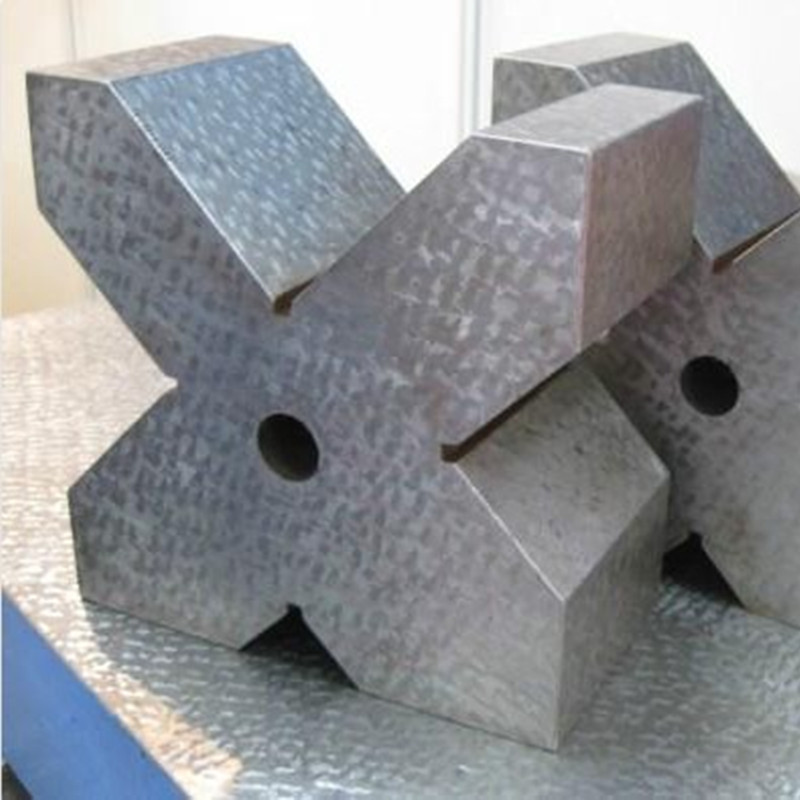
vibration mounting pad
The Importance of Vibration Mounting Pads in Industry In today's fast-paced industrial environment,
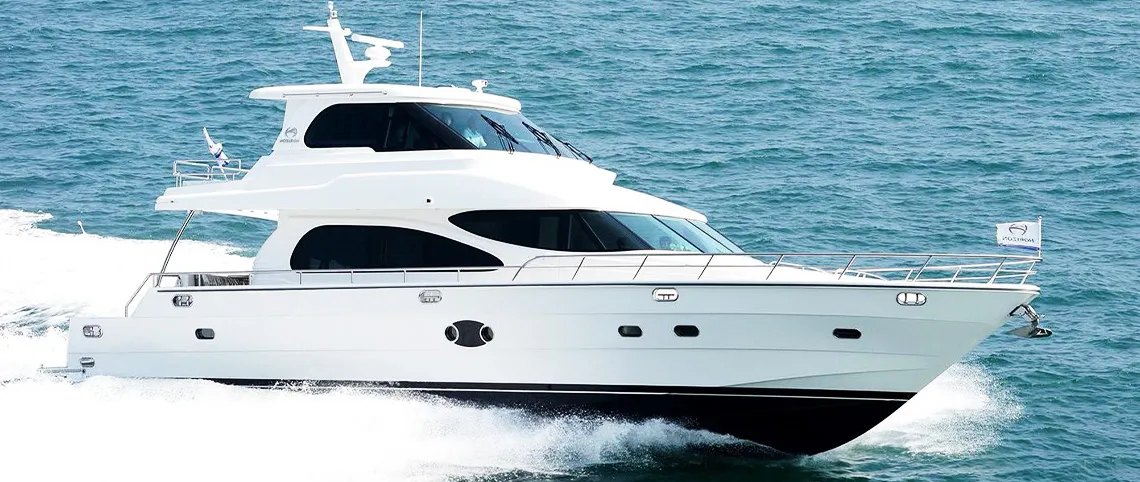
What is a Gate Valve Used For_
A gate valve is a crucial component in many industrial systems, designed to control the flow of liqu
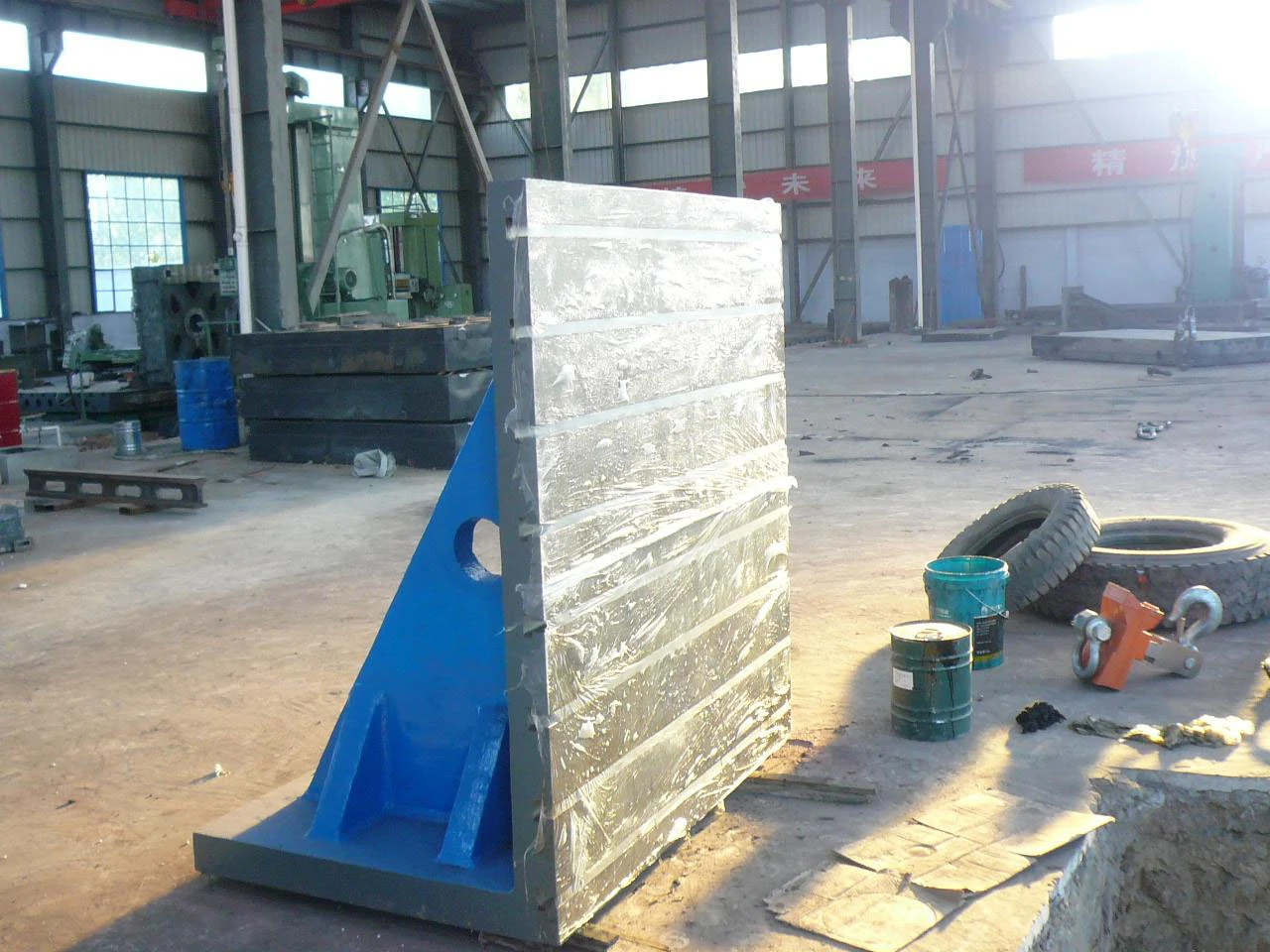
Wood Fence Post Cap
Wood Fence Post Caps Enhancing the Beauty and Functionality of Your Outdoor Space A wood fence post
 English